
Fungal ectosymbioses with wood-boring weevils have evolved repeatedly over the past 100 million years. In bark and ambrosia beetles (Scolytinae and Platypodinae), these associations range from facultative to obligate mutualisms and involve diverse fungal services, including nutrition, decomposition, detoxification of host plant tissues, and virulence to tree hosts. In return, fungi benefit from dispersal, protection, and active management by their beetle hosts.
Engage with Prof. Peter Biedermann and dive into:
the ecological factors underlying the repeated emergence of fungal symbioses in wood-boring weevils,
the consequences of fungus farming for beetle morphology and social systems,
the diversity and functional roles of fungal symbionts in bark and ambrosia beetles,
and major open questions in the biology and symbiosis of these insects.
The talk will take place on Friday, 6 March 2026 at 13:00 CET and will be streamed online.
We look forward to welcoming you in person or online!
We are pleased that Prof. Biedermann will join the upcoming FISC working group “Transient Impacts of Invasive Species” starting in March 2026.
You can join the livestream via this link: FISC Talks: Peter Biedermann on Fungal Symbioses in Bark and Ambrosia Beetles
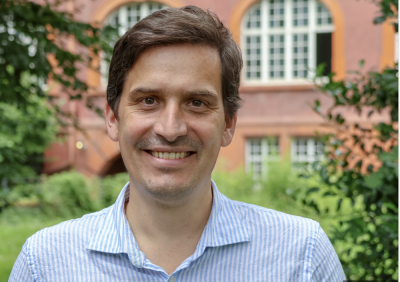
Chair of the Forest Entomology and Protection at the University of Freiburg, member of the FISC Worging Group "Transient Impacts of Invasive Species". His research focuses on plant–insect–microbe interactions, particularly insect–fungus mutualisms in bark and ambrosia beetles. His work combines evolutionary ecology, chemical ecology and microbiology to understand the evolution of cooperation and fungus farming in insects.
Project HIVE 101187384. Funded by the European Union. Views and opinions expressed are however those of the author(s) only and do not necessarily reflect those of the European Union or the European Research Executive Agency. Neither the European Union nor the granting authority can be held responsible for them.