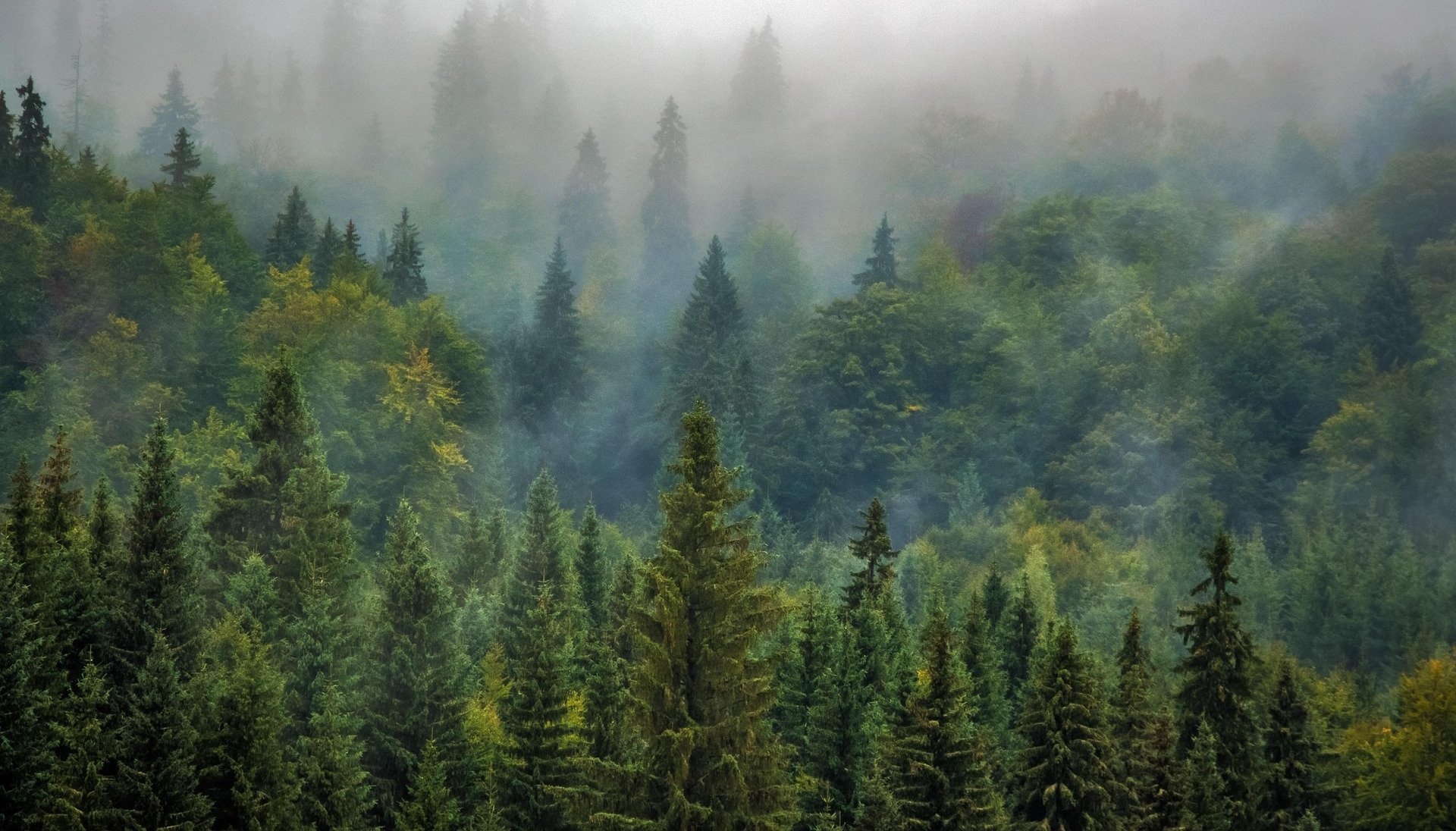

Wildfires, storms and bark beetles already have major impacts on European forests and the benefits they provide to people and the environment. A new international study suggests that these disturbances may intensify substantially in the coming decades. According to the research, the area of forest affected by such disturbances could increase dramatically by the end of the century—and in the worst-case scenario even double compared with recent decades.
The study was conducted by a large international team led by researchers at the Technical University of Munich (TUM), including scientists from the Faculty of Forestry and Wood Sciences at the Czech University of Life Sciences Prague.
The researchers investigated how fires, windstorms and bark beetle outbreaks may affect European forests by 2100. By combining satellite data with forest development simulations for 13,000 locations across Europe, they developed an artificial-intelligence-based model capable of estimating forest damage at the continental scale.
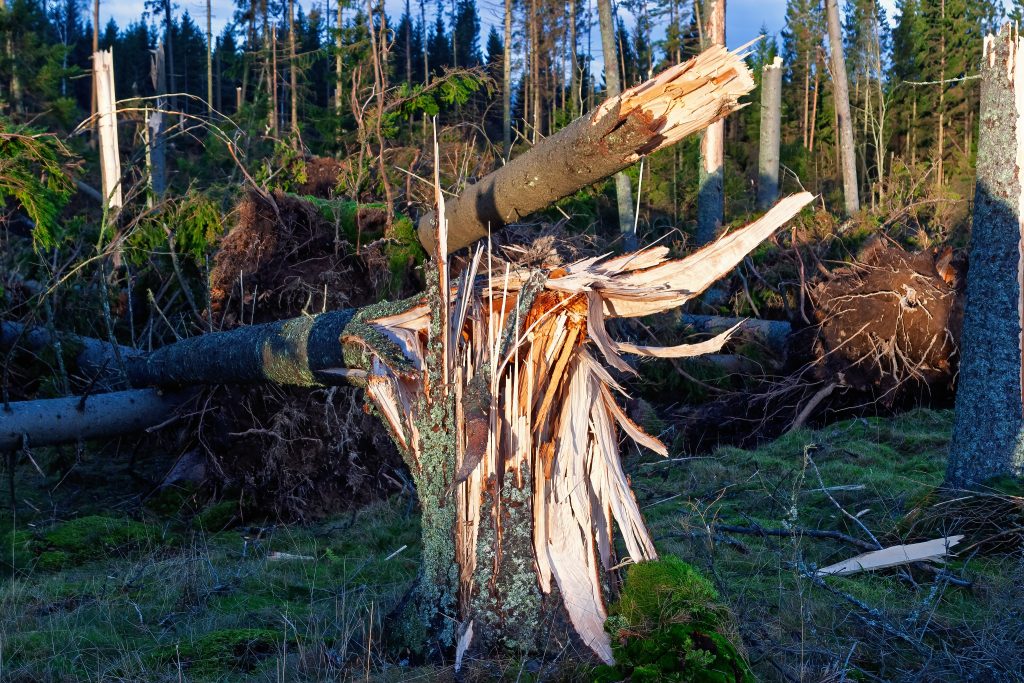
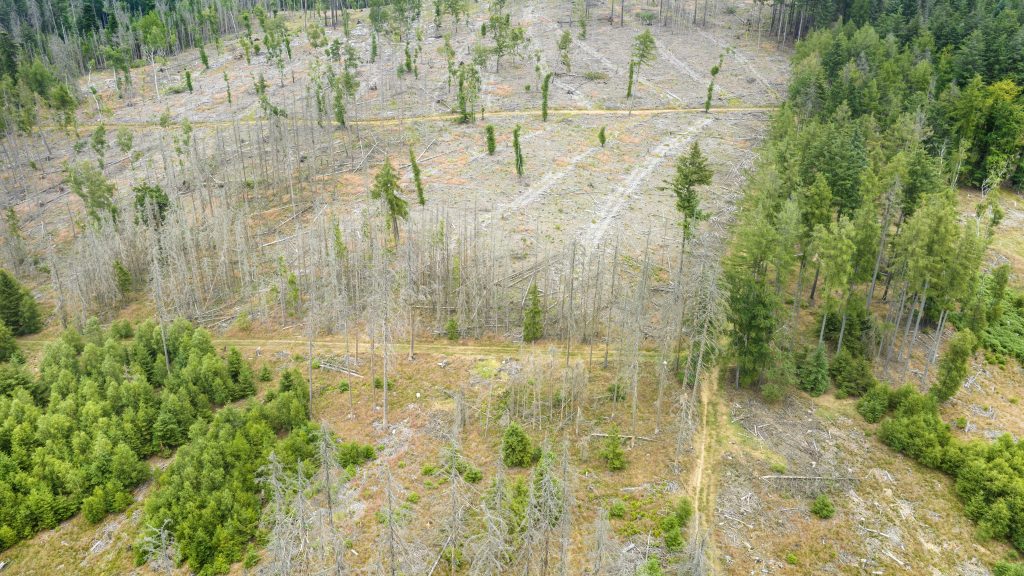
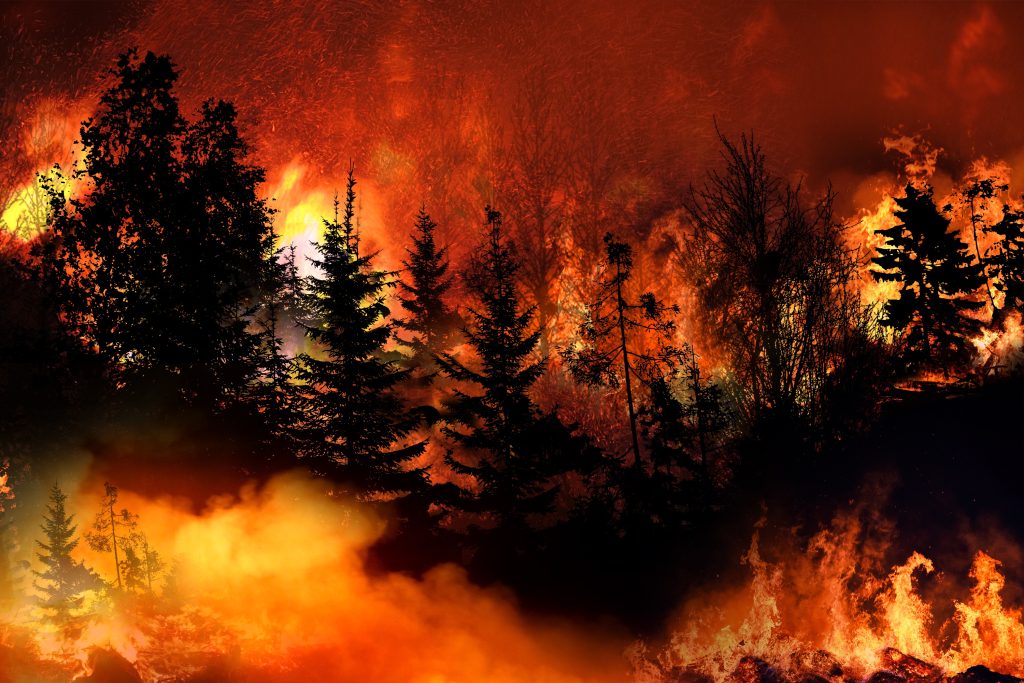
Across all scenarios of future climate development, the model predicts higher levels of forest disturbance than those observed today, with significant implications for forest ecosystems and the services they provide to society.
Tree mortality itself is not unusual; it is a natural part of forest dynamics in which older trees die and younger ones regenerate. What is new is the scale at which disturbances—driven largely by climate change—are reshaping forests. Disturbances influence how much carbon forests can store, how much timber they can produce, and which plant and animal species they can support. For this reason, the study’s findings are highly relevant for forest policy, climate adaptation strategies and society as a whole.
Dr. Laura Dobor and Professor Tomáš Hlásny, co-authors of the study from the Czech University of Life Sciences Prague, emphasize that recent events already illustrate the scale of the challenge.
“The Czech Republic has already experienced an extreme increase in forest damage linked to climate change – the bark beetle outbreak of 2018–2022,” they note. “The results of the study should be taken seriously. They indicate that similar events – especially large-scale bark beetle outbreaks and forest fires – are likely to become more frequent in the coming decades. Preparing our forests and forestry for them requires thinking ahead and better connecting research, forest policy-making, and forest management.”
For scientists studying biological invasions, the findings also highlight an important ecological connection.
Andrew Liebhold, scientific leader of the Forest Invasion Synthesis Centre, Prague, notes that disturbances can play a key role in shaping invasion dynamics:
“While the problems of climate change and biological invasions are largely distinct environmental problems, this study highlights areas where these problems overlap. Specifically, forest disturbances are known to create conditions favorable for the establishment and spread of invasive plants. Thus, ongoing and future large-scale forest disturbances are likely to facilitate the increased dominance of European forests by invasive plants that exclude native biodiversity and negatively affect sustainable forest management.”
The study therefore not only underscores the growing impact of climate-driven disturbances on forests, but also highlights how such disturbances may indirectly influence other ecological challenges- including the spread of invasive species.
The study estimates that if global temperatures rise by more than 4 °C, the forest area disturbed by fires, storms and bark beetles could more than double by the end of the century.
The baseline used for comparison comes from satellite observations between 1986 and 2020, a period that already experienced unusually high levels of forest disturbance across Europe. Even under the most optimistic scenario—limiting warming to roughly 2 °C—the researchers still expect future disturbance levels to exceed those of the past.
The modelling approach itself is also notable. The research team used an AI-based simulation model trained on 135 million data points from forest simulations across Europe, combined with long-term satellite observations of forest damage. This allowed the scientists to simulate forest development and disturbance impacts at a spatial resolution of one hectare, providing detailed insights into how future disturbance patterns may differ between regions.
According to the study, forests in Southern and Western Europe are likely to experience the strongest increases in disturbance levels, while Northern Europe may be less severely affected overall, although local hotspots of forest damage are still expected to emerge.
“Disturbances are increasingly becoming a cross-regional issue, disrupting timber markets across Europe and threatening the ecosystem services forests provide for society,” says Rupert Seidl from the Technical University of Munich, the lead author of the study.
The authors therefore stress that forest policy and management must adapt to rising disturbance levels. While increased disturbance represents a risk for forest ecosystems and the services they provide, it can also create opportunities for establishing new, climate-resilient forests. Forestry, they argue, will need to respond both to the risks and to the opportunities associated with these changes.
Project HIVE 101187384. Funded by the European Union. Views and opinions expressed are however those of the author(s) only and do not necessarily reflect those of the European Union or the European Research Executive Agency. Neither the European Union nor the granting authority can be held responsible for them.