

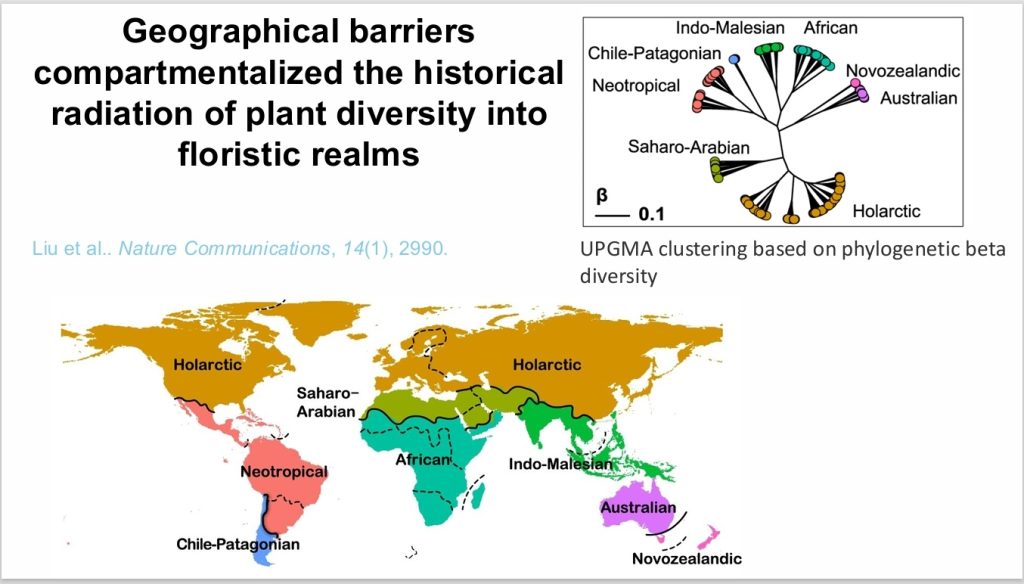
Historically, geographical barriers separated plant diversity into distinct floristic regions. As shown in A. Liebhold’s presentation at the Northwest Science Association, these boundaries are now being eroded. Plantation forestry enables large-scale movement of tree species beyond their native ranges, effectively reconnecting previously isolated regions.
The global spread of tree species beyond their native ranges is a defining feature of modern forestry. Species such as Pinus and Eucalyptus are now widely planted across continents, far outside their original distributions.
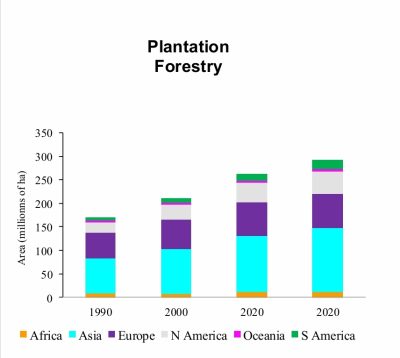
Andrew Liebhold shows that non-native species dominate many plantation forests worldwide, and that the total area of plantation forests has increased substantially in recent decades. This expansion is closely linked to rising global demand for wood and paper.
A key mechanism discussed in the presentation is enemy release — the idea that species introduced to new regions initially escape their natural enemies.
However, this advantage is not permanent. Over time, different groups of organisms — described as “jumpers,” “followers,” and “wanderers” — accumulate and reduce this advantage.
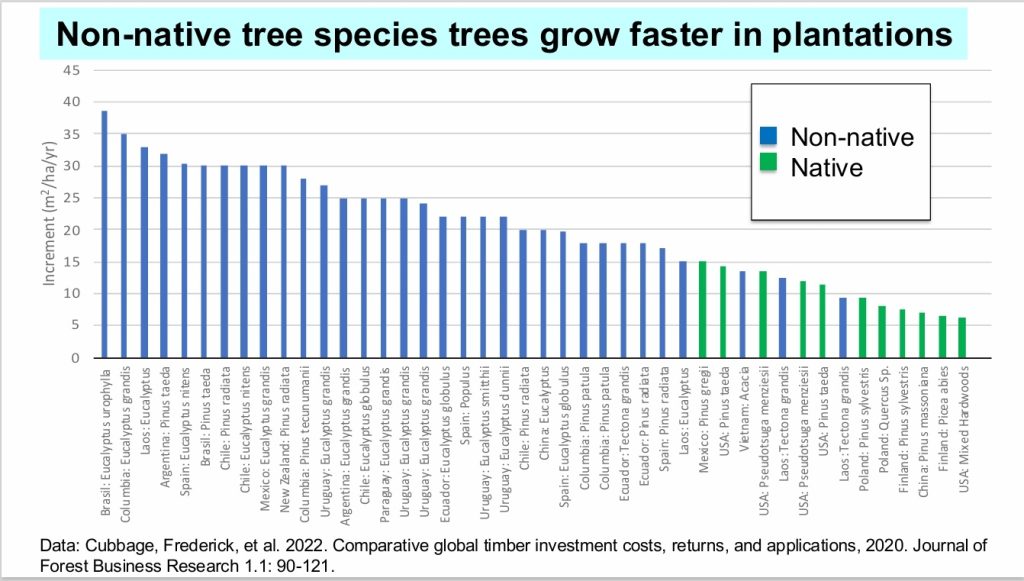
This dynamic is reflected in plantation performance. Data presented in the talk indicate that non-native tree species often grow faster than native species in plantations.
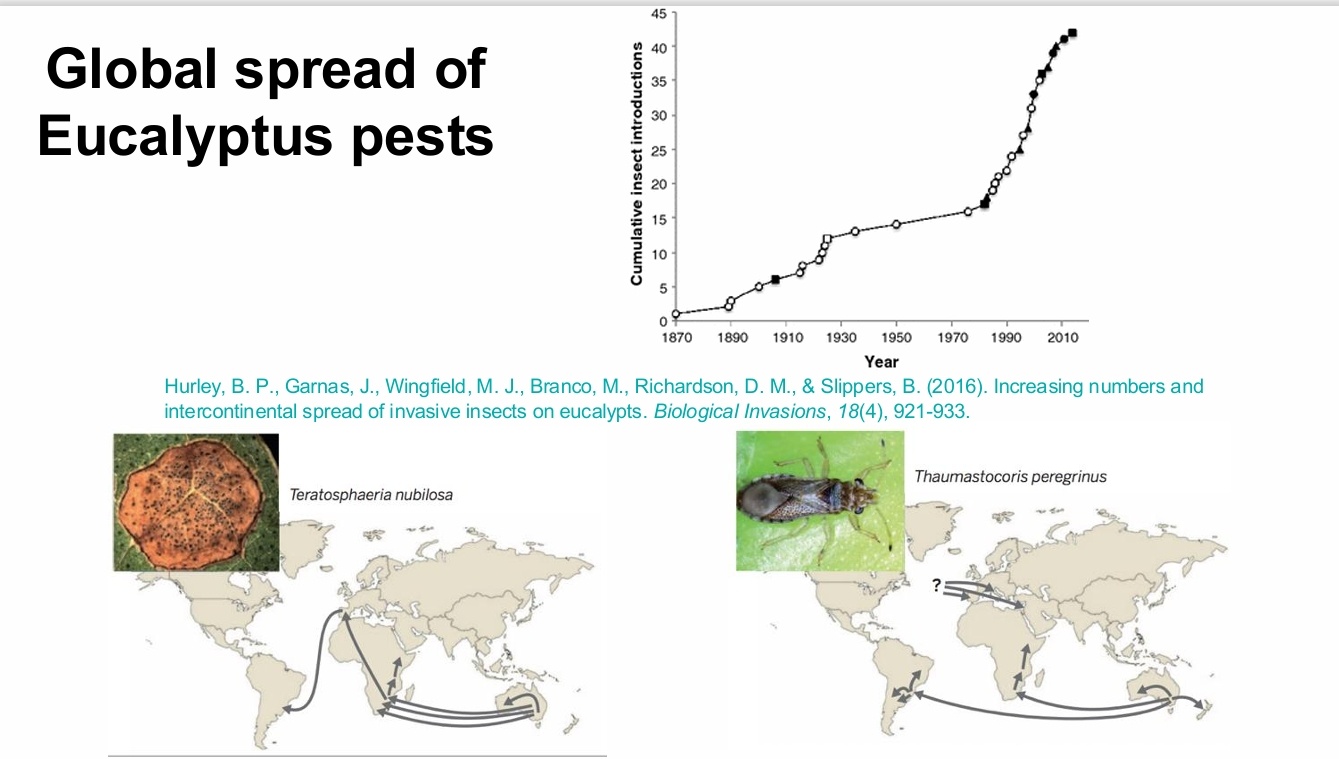
Globalization also facilitates the spread of insects and pathogens. In his presentation, Andrew Liebhold identifies key pathways, including the movement of plants, wood packaging material, and international travel.
The case of Eucalyptus illustrates this clearly: its global expansion has been accompanied by a steady accumulation of insect pests across continents.
These processes are summarized as cascading invasions. Non-native plants increasingly dominate plant communities, their initial advantage declines over time, and plant invasions facilitate further invasions of herbivores and their natural enemies.
The result is not just the spread of individual species, but a gradual reorganization of ecological interactions across forest ecosystems worldwide
Key takeaways
Project HIVE 101187384. Funded by the European Union. Views and opinions expressed are however those of the author(s) only and do not necessarily reflect those of the European Union or the European Research Executive Agency. Neither the European Union nor the granting authority can be held responsible for them.