
More than 80 participants from Iceland and abroad gathered on 16–17 March in Hafnarfjörður for the workshop “Alien Species in Iceland”, focusing on one of the most pressing environmental challenges facing the country today.
The workshop was organised by Laura A. Meyerson and brought together researchers, practitioners, agency representatives, and policymakers, along with international participants from across Europe and North America.
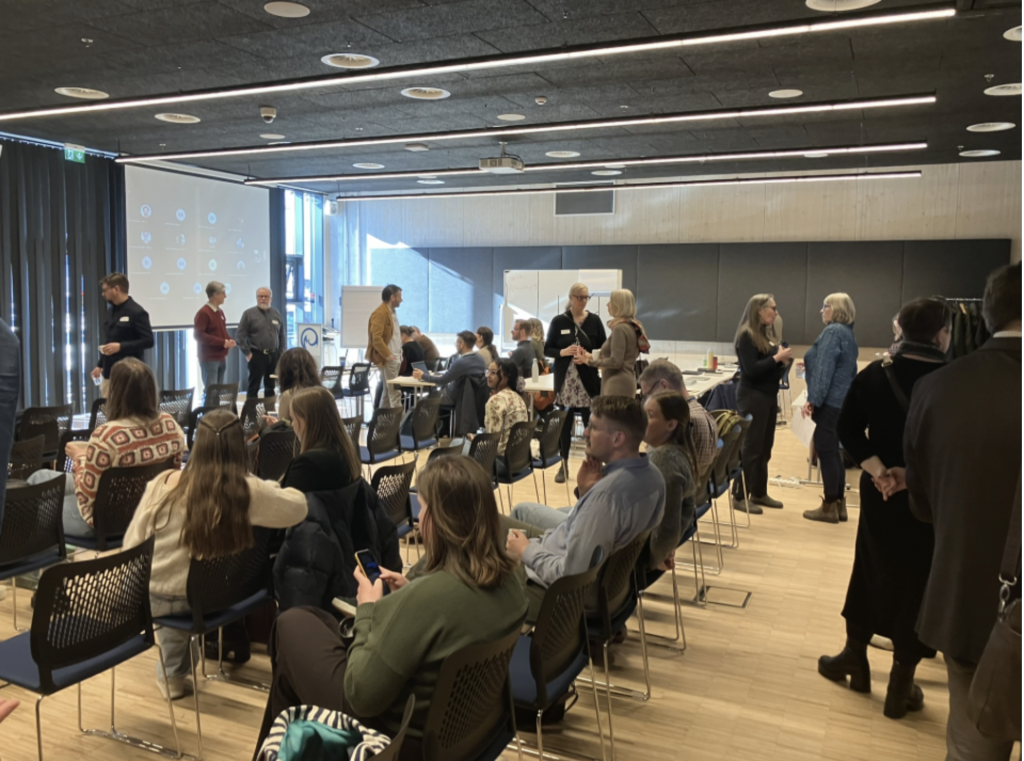
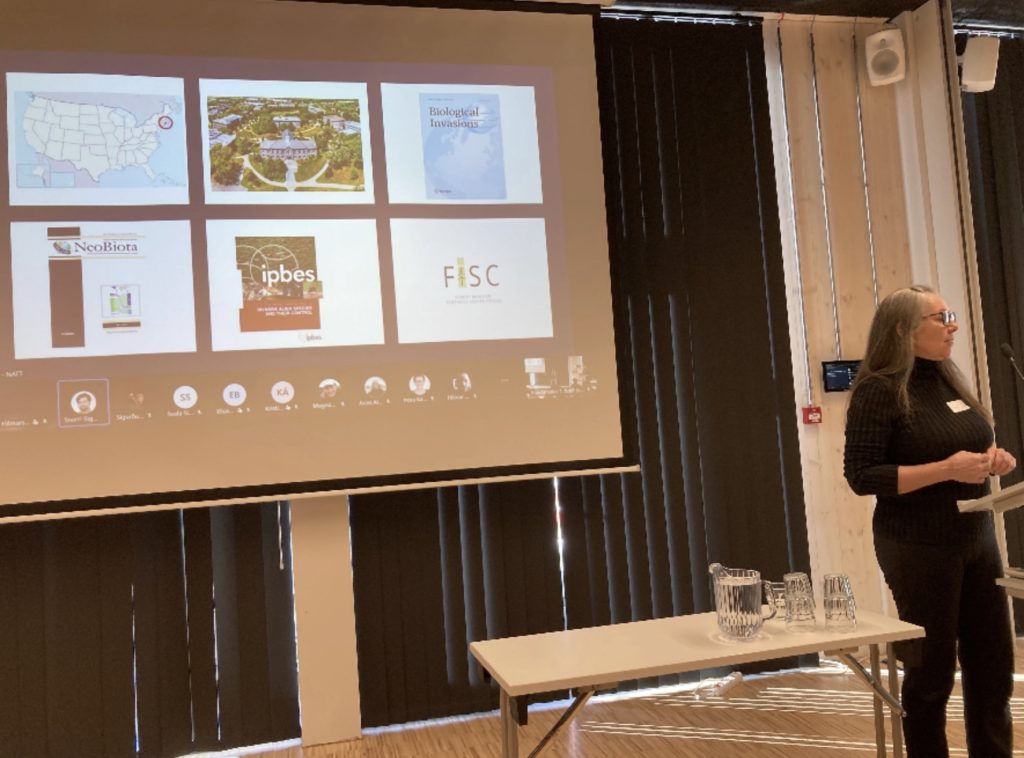
Over two days, the programme included keynote talks, breakout discussions, and plenary sessions addressing invasive species across terrestrial, freshwater, and marine ecosystems. Topics covered pathways of introduction, risk and impact assessment, governance and regulation, as well as emerging threats linked to tourism, aquaculture, forestry, and introduced pests and pathogens. The programme also included a presentation by Andrew Liebhold (FISC).
While focused on Iceland, the discussions reflect broader challenges in invasion science, particularly the need to better understand long-term and delayed impacts of non-native species and to prevent introductions before they occur.
Several key themes emerged from the workshop. Participants emphasised the need for stronger collaboration across ministries, agencies, and research institutions to ensure a coordinated response. There was also a clear call for increased investment in research, surveillance, and long-term monitoring to better understand which species are arriving, how they spread, and which are likely to become harmful.
Another important outcome was the recognition of the need for improved public communication and engagement. Participants highlighted that communities, land managers, industry, and decision-makers need better access to information about the risks associated with invasive species and the actions required to mitigate them.
The workshop also underscored the importance of developing a comprehensive national biosecurity strategy that integrates prevention, early detection, rapid response, and long-term management across sectors.
The meeting created a strong foundation for future collaboration and was seen by organisers as a first step towards a more coordinated national response to invasive species in Iceland.
Project HIVE 101187384. Funded by the European Union. Views and opinions expressed are however those of the author(s) only and do not necessarily reflect those of the European Union or the European Research Executive Agency. Neither the European Union nor the granting authority can be held responsible for them.