
Biological invasions and plant-fungal interactions
Invasions in Forest, Forest entomology
Invasion ecology, focusing on large-scale patterns, trait-based mechanisms, and cross-regional comparisons of naturalized species
Invasion ecology, global-scale analysis of tree invasions and their interactions with insect herbivores
Ecology and non-native plant invasions, including how forest use and agroecosystem management influence soil biodiversity and nutrient cycles.
Mechanisms influencing the distribution and abundance of introduced plant species, including species interactions, abiotic factors and landscape characteristics; regeneration niches of introduced and native species; and impacts of invasive species on biodiversity, ecosystem functioning and ecosystem services.
Functional forest ecology and socio-ecosystem science.
Selected species of non-native naturalized/invasive and native expansive woody plants and their impact on vegetation and soil.
Biological invasions often reveal surprising ecological patterns. One of the most striking is that many tree species grow substantially faster in their non-native ranges than in the regions where they originated. This phenomenon is an important factor explaining why non-native trees are sometimes invasive and outcompete native trees. It also is important for the exploitation of non-native tree species in plantation forestry. Although this phenomenon has been noted since the time of Charles Darwin, its global prevalence and underlying causes remain poorly understood.
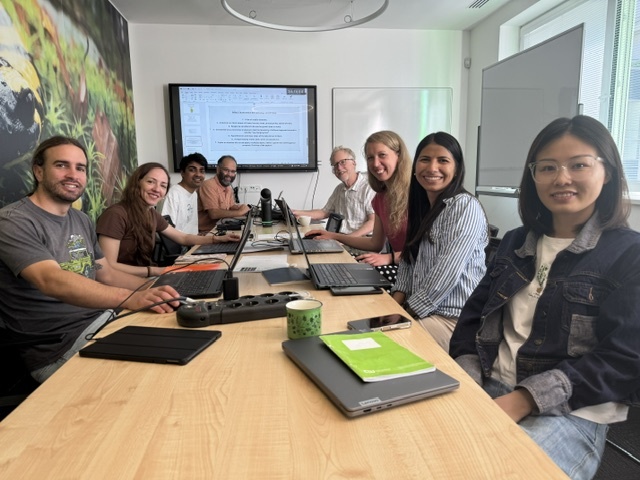
This Working Group aims to synthesize global evidence on tree growth in native and non-native environments. By compiling data from forest inventories, tree-ring records, and global databases, the group will examine how factors such as climate, soils, evolutionary relationships, and interactions with pests and pathogens influence tree performance across regions.
Trees provide a powerful system for studying invasion dynamics because they shape ecosystems through long-lived woody biomass and play a key role in the global carbon cycles. At the same time, non-native tree species are widely planted for forestry and climate mitigation, while some have become problematic invasive species.
Through collaborative synthesis and global data integration, the Working Group seeks to identify the mechanisms driving differences in tree growth across native and introduced ranges and provide insights relevant for forestry, climate mitigation, and the management of non-native tree species worldwide.
Project HIVE 101187384. Funded by the European Union. Views and opinions expressed are however those of the author(s) only and do not necessarily reflect those of the European Union or the European Research Executive Agency. Neither the European Union nor the granting authority can be held responsible for them.