

The movement of goods across borders can also create pathways for forest pests. Preventing their spread requires not only effective phytosanitary measures, but also strong links between research, regulation and international cooperation. This FISC Talk brings together perspectives from IFQRG and EPPO on how science and international standards contribute to forest biosecurity.
Engage with Mike, Meghan and Dmitrii and explore:
The talk will take place on Wednesday, 30 September at 13:30 and will be held in the Lesovna, room LS202
We look forward to welcoming you in person or online!
You can join the livestream via this link: https://teams.microsoft.com/meet/344039987943587?p=jzJq6u0UPZBs5HiqUb
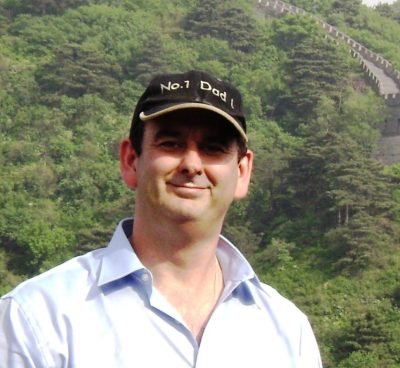
Michael Ormsby is Chair of IFQRG and Senior Adviser in Risk Analysis at Biosecurity New Zealand, Ministry for Primary Industries. With a background in plant pathology, he has extensive experience in phytosanitary regulation, biosecurity risk analysis and international standards, including the implementation of ISPM 15 for wood packaging material.

Meghan Noseworthy is Research Manager in entomology and phytosanitary research at Natural Resources Canada’s Canadian Forest Service, Pacific Forestry Centre, and Secretary of IFQRG. Her work focuses on developing science-based phytosanitary solutions to reduce the movement of invasive pests in forest products, including research on heat treatments for wood
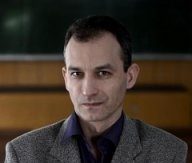
Dmitrii Musolin is a Scientific Officer at EPPO, where he works on quarantine pests affecting forestry, pest risk analysis and cooperation with experts across the EPPO region. He also coordinates EPPO’s network focused on surveillance, monitoring and control of the emerald ash borer (Agrilus planipennis).
Project HIVE 101187384. Funded by the European Union. Views and opinions expressed are however those of the author(s) only and do not necessarily reflect those of the European Union or the European Research Executive Agency. Neither the European Union nor the granting authority can be held responsible for them.