


Skip to content
01.07.2026

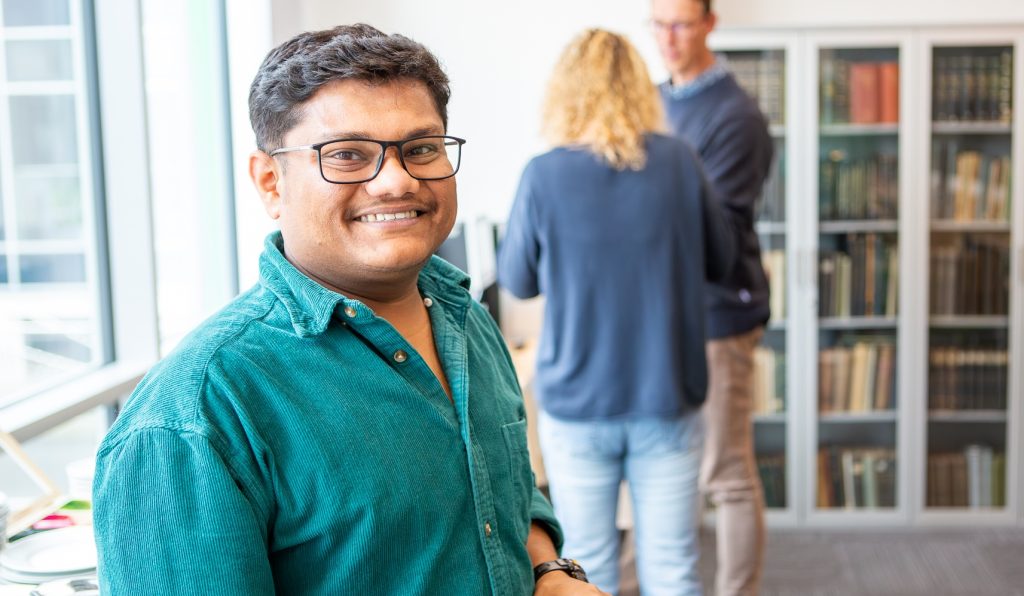
Can AI help us understand biological invasions?

From butterflies and plant–insect interactions to AI-assisted research. In this short video profile, Arka Pal introduces his scientific background and current work at FISC. He discusses how artificial intelligence is changing ecological research, why every AI-generated result still needs careful verification, and what large-scale data can reveal about biological invasions.
22.04.2026

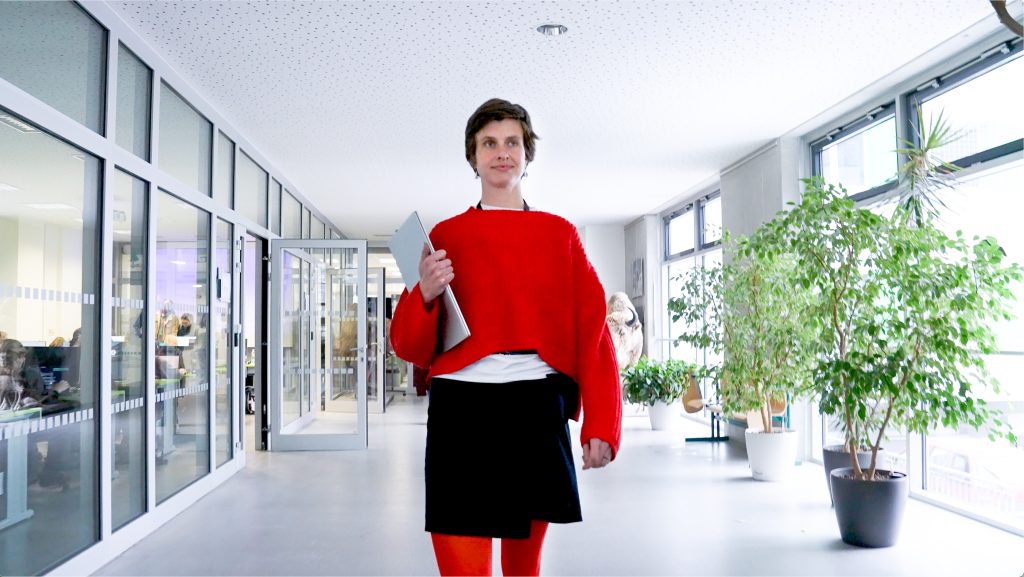
The genetic paradox of invasions: how do small, low-diversity populations succeed?

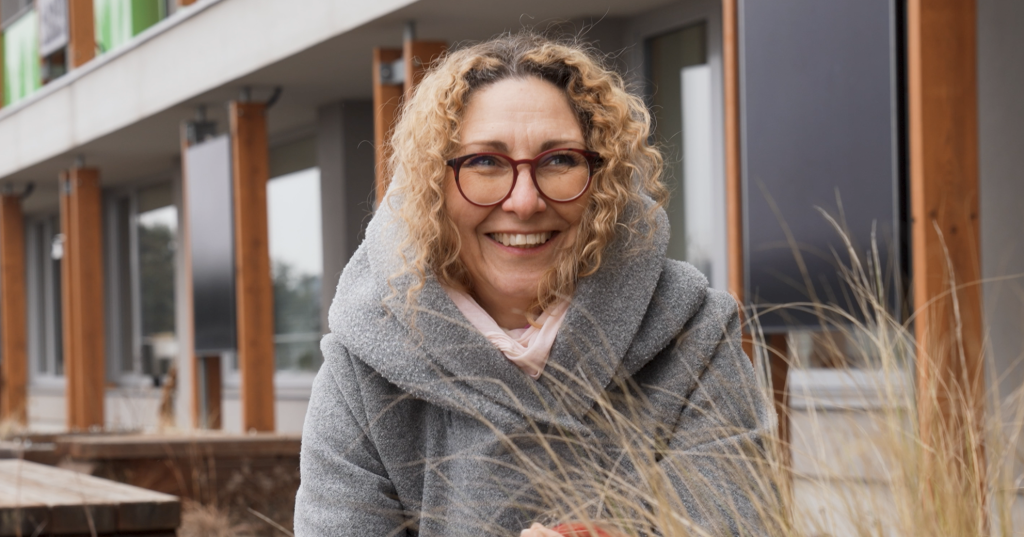
Meet Michaela Medzihorská, researcher at FISC. In this video profile and accompanying interview, she explores the genetic paradox of biological invasions — from plant–herbivore interactions to the hidden challenges of scientific research. She reflects on balancing academia with parenthood while also questioning a system where researchers do the work and publishers profit.
30.03.2026

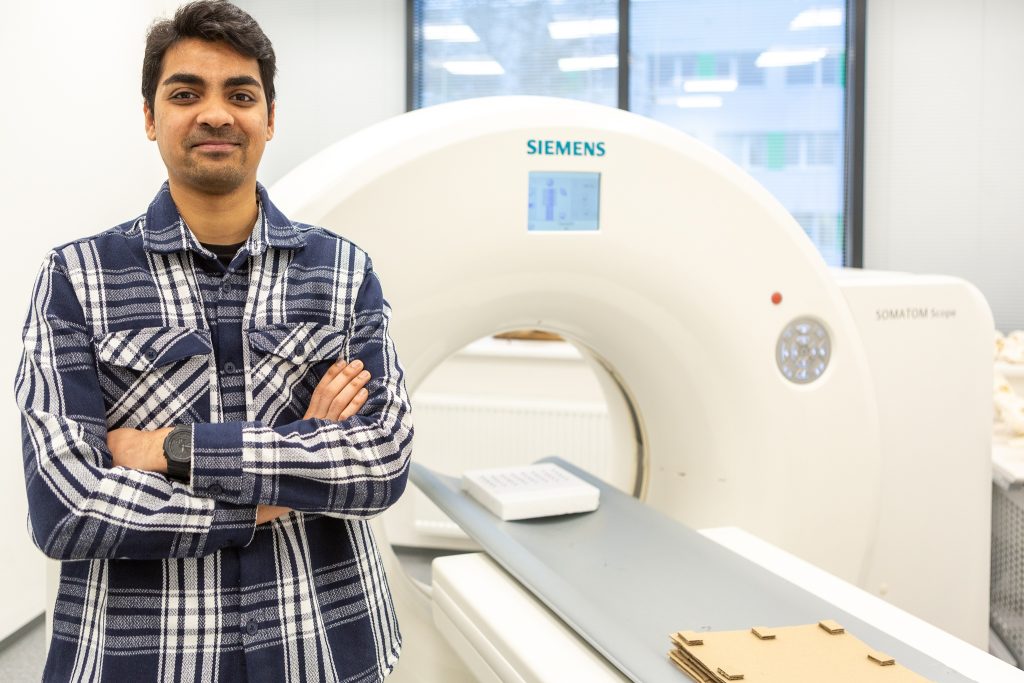
Aditya Ganesh: Douglas-fir as a Global Experiment in Invasion Ecology

Meet Aditya Ganesh, researcher at FISC. In this video profile and accompanying interview, he explores Douglas-fir as a global model for invasion ecology, from insect herbivores across regions to hidden insect infestation inside cones.
09.03.2026

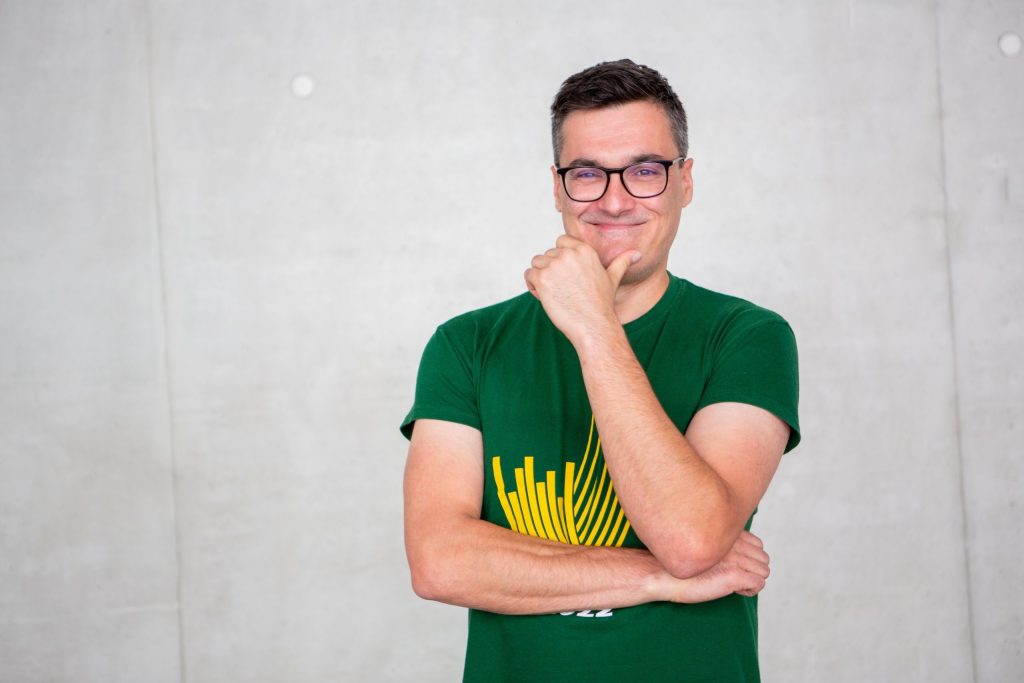
Richard Mally: Following the Hidden Logic of Insect Invasions

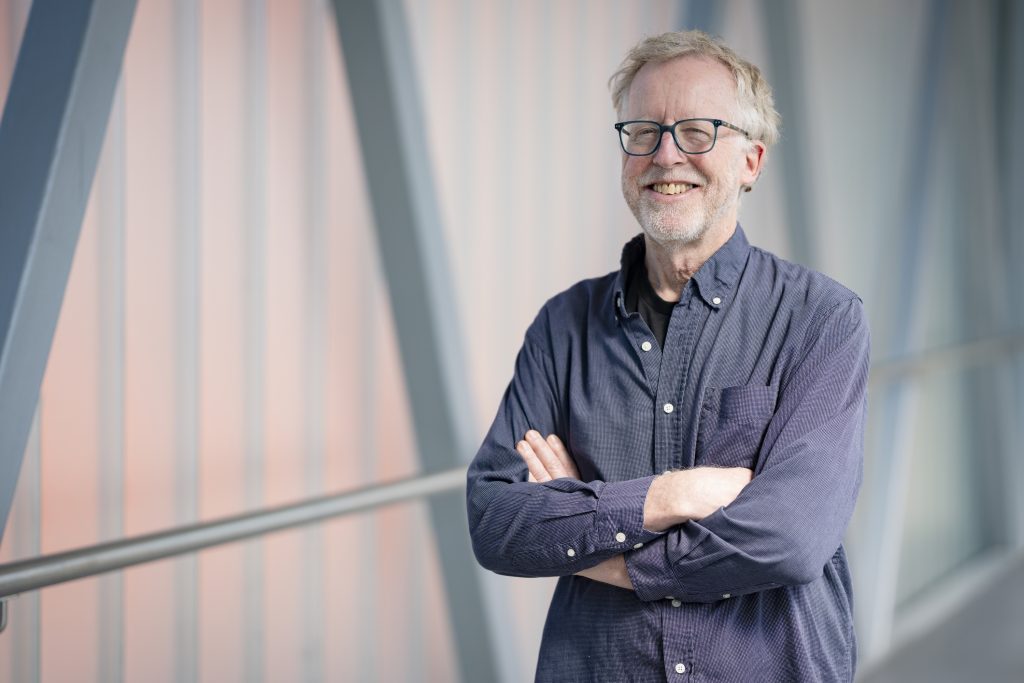
Meet Richard Mally, macroecologist uncovering the hidden architecture of insect invasions. In his video profile and interview, he explores invasion disharmony, human-built “invasion highways,” silent ecological shifts, and why big datasets and genomics may redefine how we understand non-native species.
18.02.2026

Kateřina Berchová: Science Is Not a Nine-to-Five Job

Meet Kateřina Berchová. Watch the video profile and read the accompanying interview on balancing academic careers and parenthood, the pressures of scientometric evaluation, and how hybridization can accelerate biological invasions.
11.02.2026

A New Era in Research? The Power of Synthesis Centres

Can a new model of collaboration and data use reshape how we do science?Andrew M. Liebhold, Chief Scientist of FISC, explains why synthesis centres offer a powerful model for tackling complex research questions — and generating insights no single team could achieve alone.

Project HIVE 101187384. Funded by the European Union. Views and opinions expressed are however those of the author(s) only and do not necessarily reflect those of the European Union or the European Research Executive Agency. Neither the European Union nor the granting authority can be held responsible for them.