

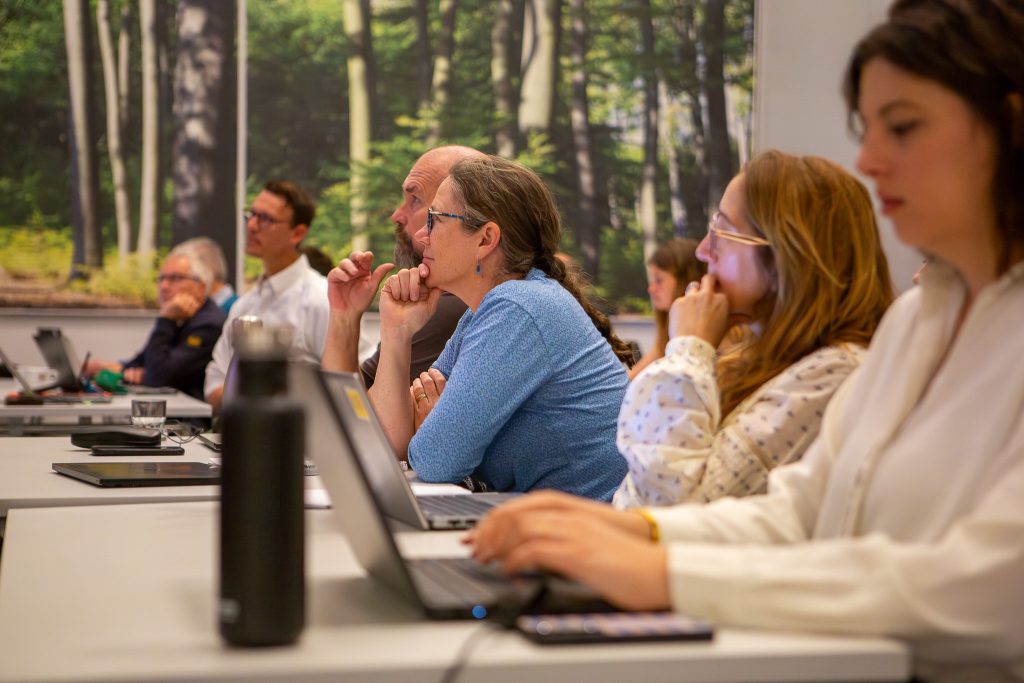
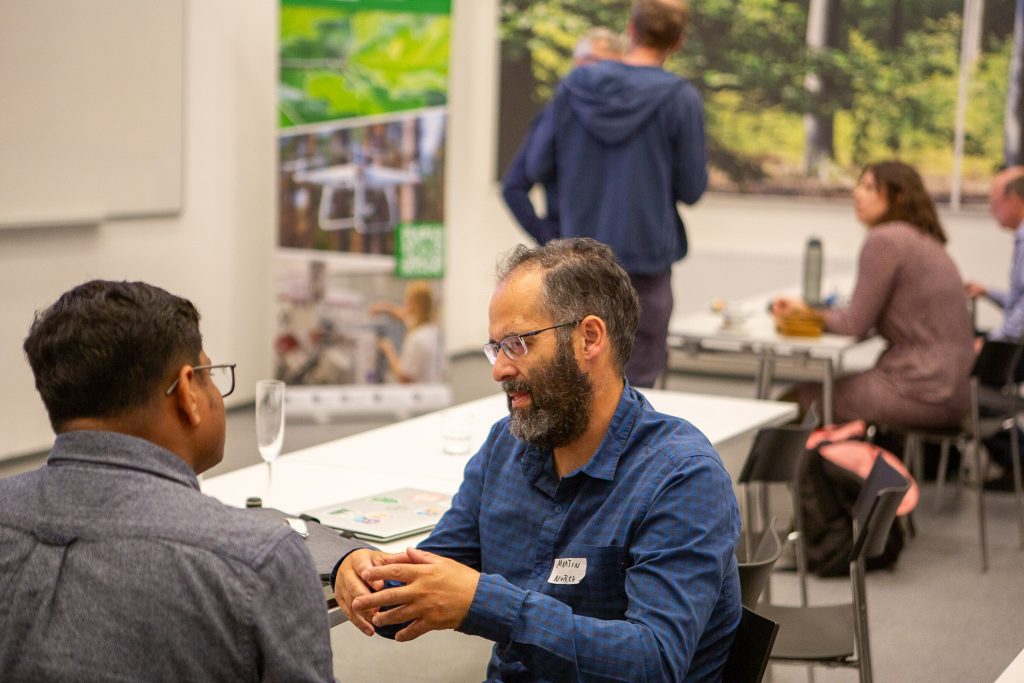
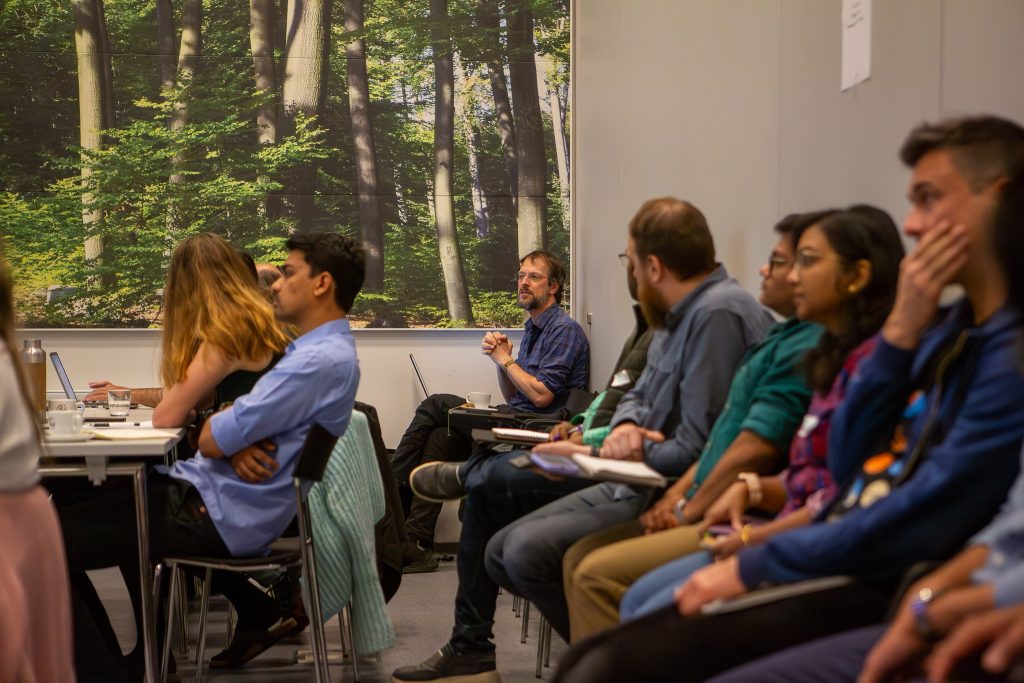
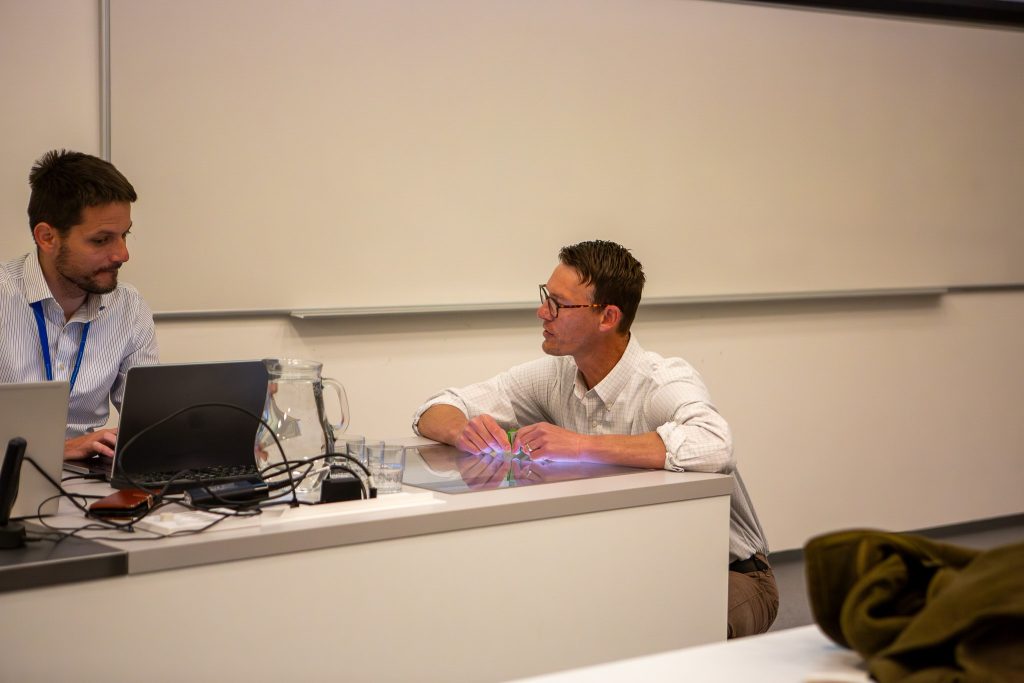
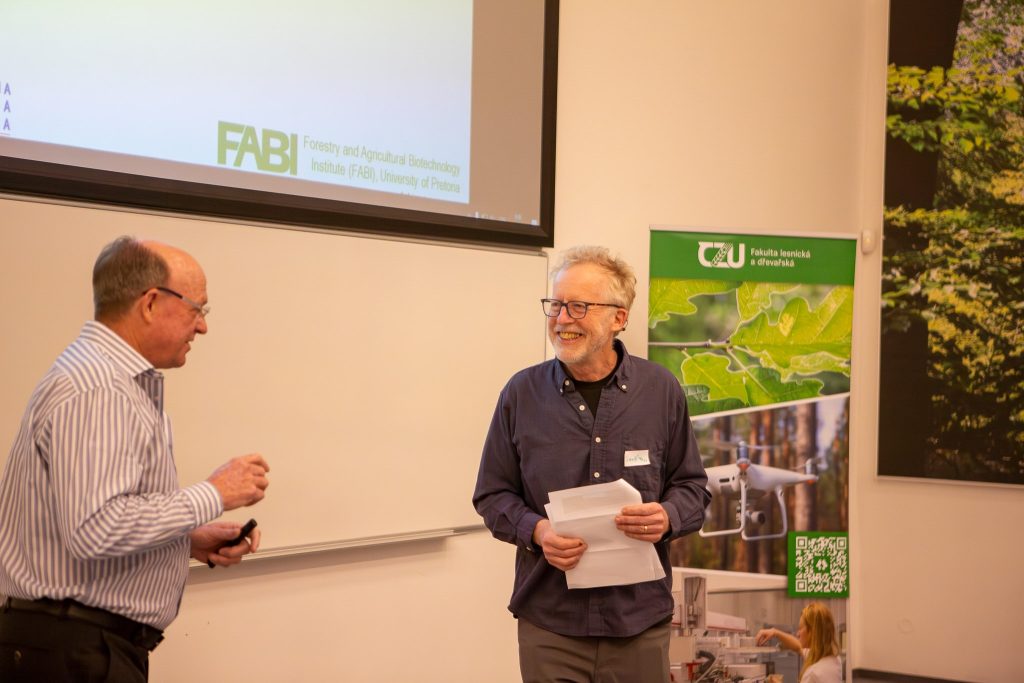
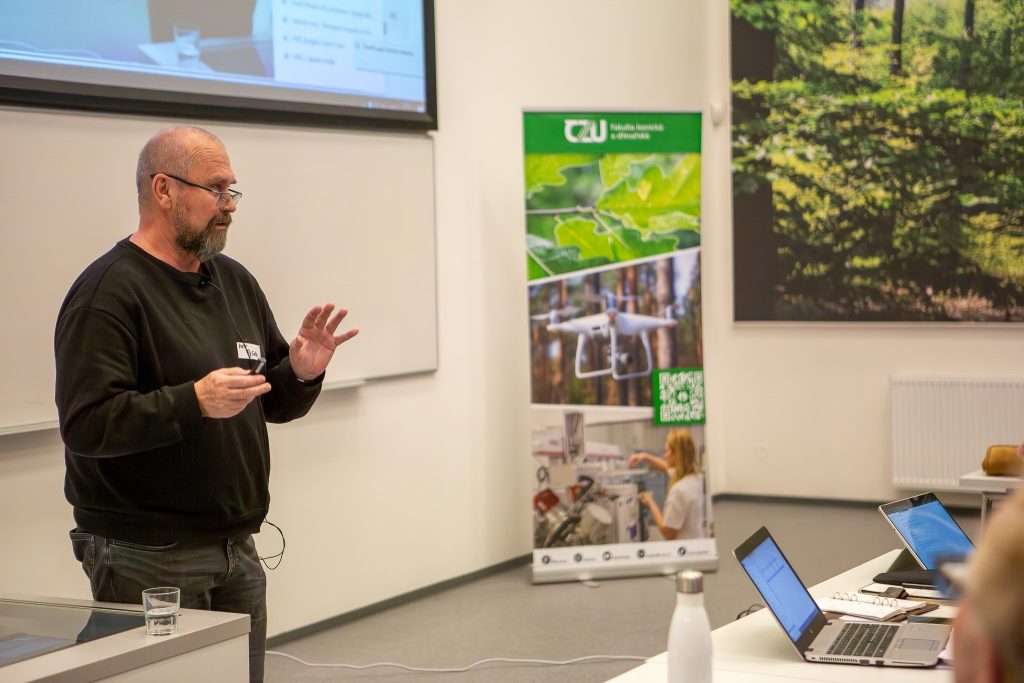
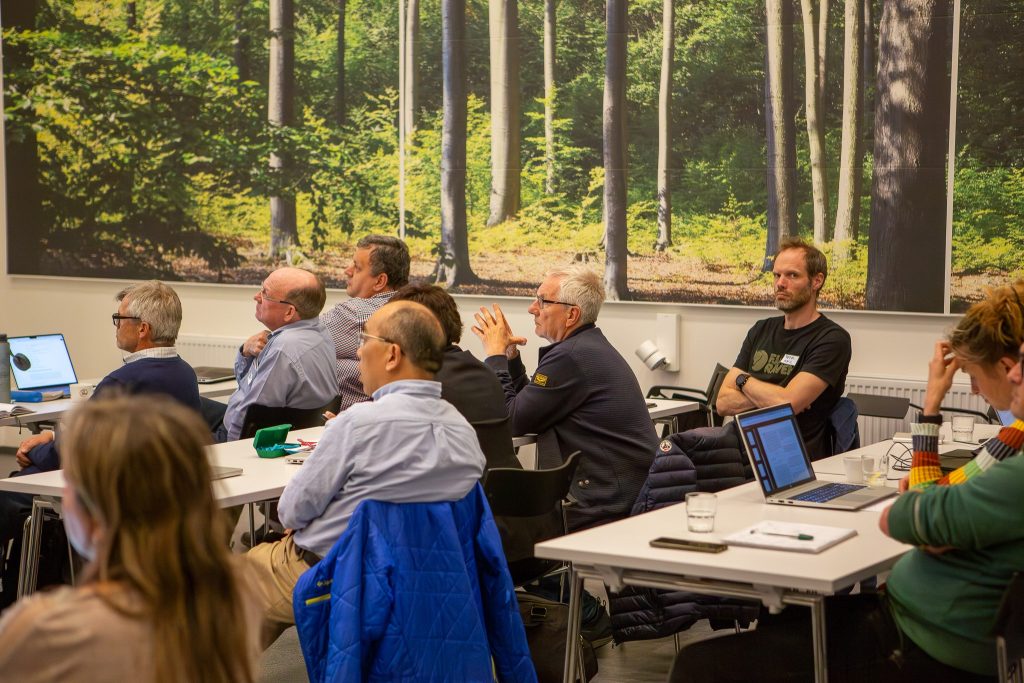
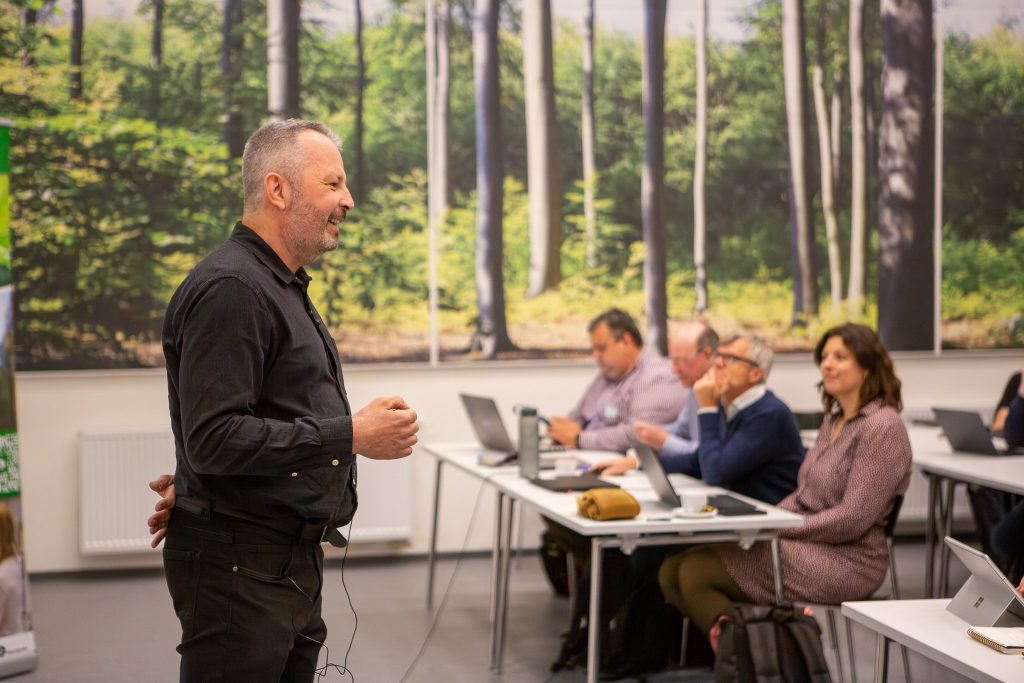
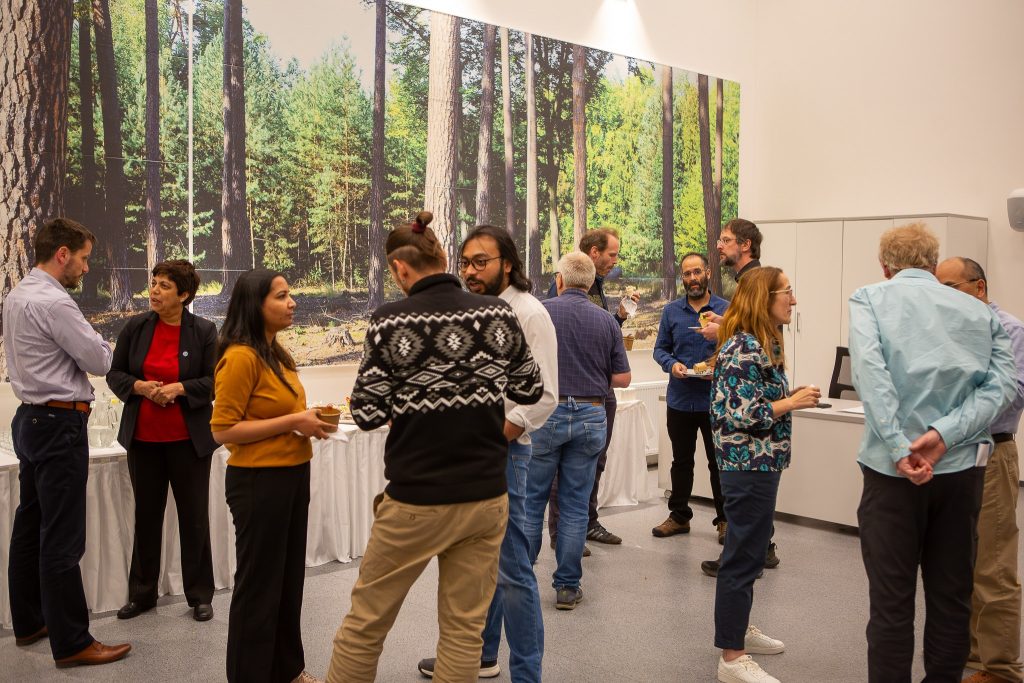
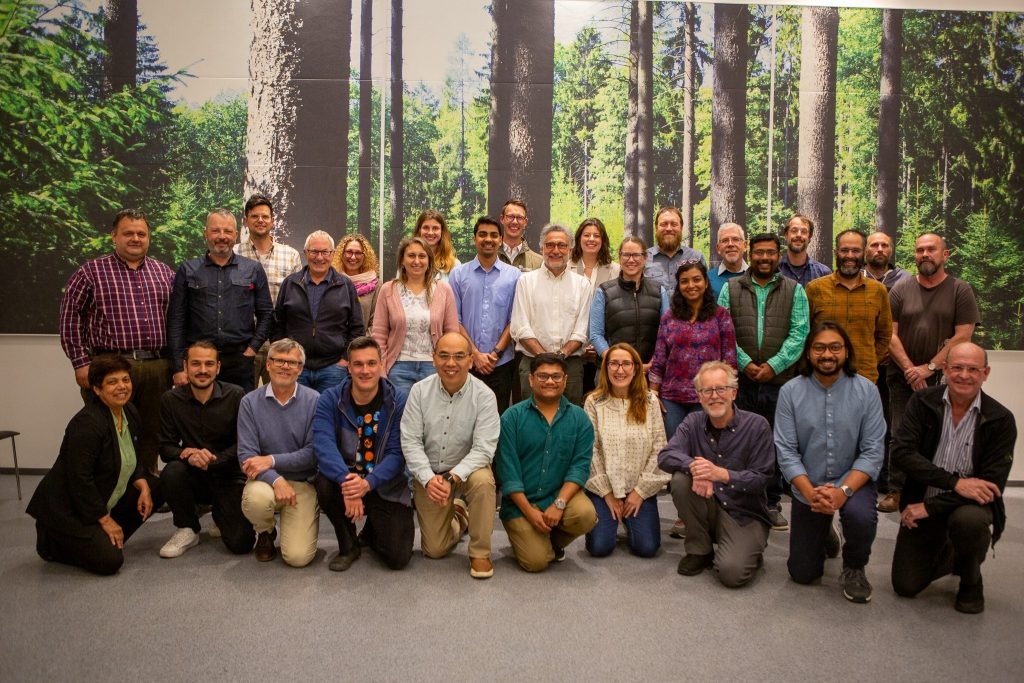
The FISC Inagural Symposium was organized for the purpose of summarizing the current state of scientific knowledge about biological invasions in forests worldwide and seek input from scientific community on the selection of scientific subject areas that should be prioritized by the Centre. The Centre plans to organize collaborative working groups around selected research topics so participants were asked to contribut their expertise and opinions about what subjects would be most useful to pursue.
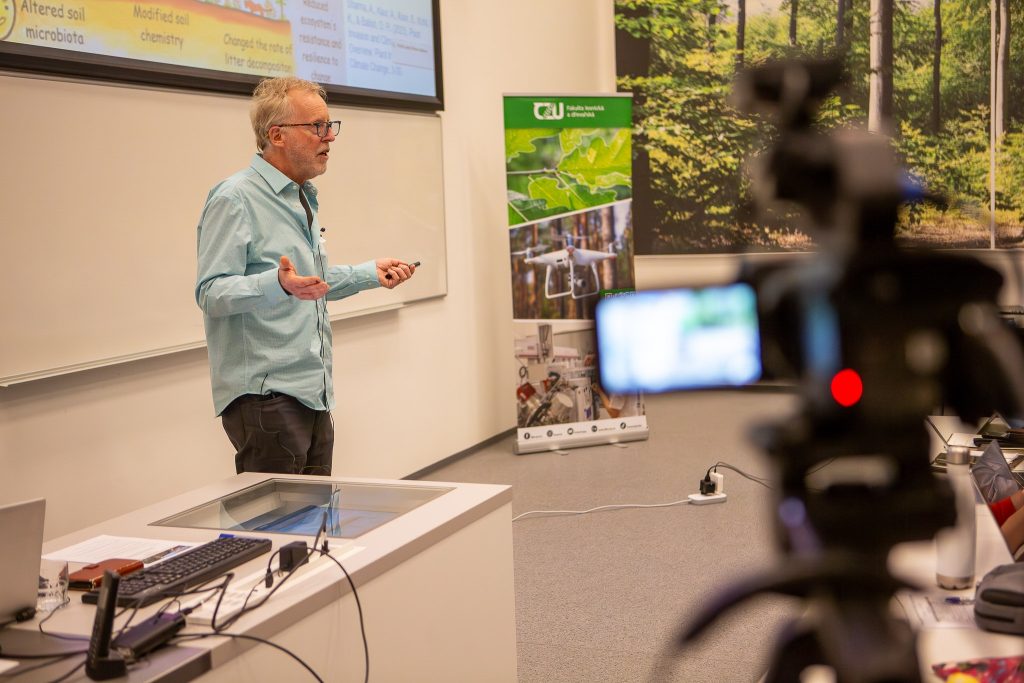
An interdisiciplinary team of 13 scientists were invited to summarize the state of knowledge on various aspects of the forest invasion problem. These individuals presented information and proposed ideas for new work:
Andrew Liebhold (FISC Chief Scientist), “Overview of the Forest Invasion Synthesis Centre, Prague and objectives of the Symposium”. See the talk here: A.M.Liebhold´s symposium talk
Petr Pyšek (Institute of Botany of the Czech Academy of Sciences), “Macroecology of woody plant invasions”
Martin A. Nunez (University of Houston, USA), “Forest tree invasions. See the talk here: M.A. Nunez´s symposium talk
Thomas Wohlgemuth (Swiss Federal Institute for Forest, Snow and Landscape Research WSL, Switzerland), “Role of non-native trees in future European forests” See the talk here: T. Wohlgemuth´s symposium talk
Michael Wingfield (University of Pretoria, South Africa), “Forest health challenges in planted forests”
Eckehard Brockerhoff (Swiss Federal Institute for Forest, Snow and Landscape Research WSL, Switzerland), “Biotic resistance against invasions: Contrasting plant and insect invaders”. See the talk here: E. Brockerhoffs´s symposium talk
Alberto Santini (Institute for Sustainable Plant Protection, Italy), “Biogeography of tree pathogen invasions”
Tomáš Hlásny (The Forest Risk Research Centre), ““Forest disturbance monitoring in Europe and recent biotic disturbance trends”. See the talk here: T.Hlásny´s symposium talk
Songlin Fei (Purdue University, USA) “Landscape level survey of forest invaders”. See the talk here: Songlin Fei´s symposium talk
Kevin Chase (Bartlett Tree Company, Reading, UK), “Invasions in Urban forests”. See the talk here: Kevin Chase´s symposium talk
Christelle Robinet (INRAE, France), “Modelling forest pest invasion risk and management”. See the talk here: Christelle Robinet´s symposium talk
Rebeccca Epanchin-Niell (University of Maryland, USA), “Cost-effective forest biosecurity”. See the talk here: Rebecca Epanchin-Niell´s symposium talk
Mariella Marzano, Forest Research, UK, “Social aspects of forest invasions and their management”
Recordings of selected presentations will be made available gradually on our website—stay tuned and follow us for updates.
During brainstorming breakout sessions, participants identified the following ideas for working groups:
We would like to sincerely thank all symposium participants for their inspiring contributions and valuable ideas. The breadth and depth of proposed topics reflect the complexity and urgency of forest invasion issues and the importance of interdisciplinary collaboration. As we move forward in shaping the first FISC working groups, we will keep you informed about which of the above challenges we decide to pursue. Stay connected with us as the next phase of collaborative synthesis begins.
The Forest Invasion Synthesis Centre (FISC) aims to develop new insight into the ecology, socioeconimics and management of biological invasions in forests. FISC applies the “synthesis centre” model that has been successfully applied in various other socioecological synthesis centres around the world. This model focuses on assembling interdisciplinary working groups of scientists and stakeholders to synthesize existing information in a way that provides novel insight and develop actionable outcomes.
Project HIVE 101187384. Funded by the European Union. Views and opinions expressed are however those of the author(s) only and do not necessarily reflect those of the European Union or the European Research Executive Agency. Neither the European Union nor the granting authority can be held responsible for them.